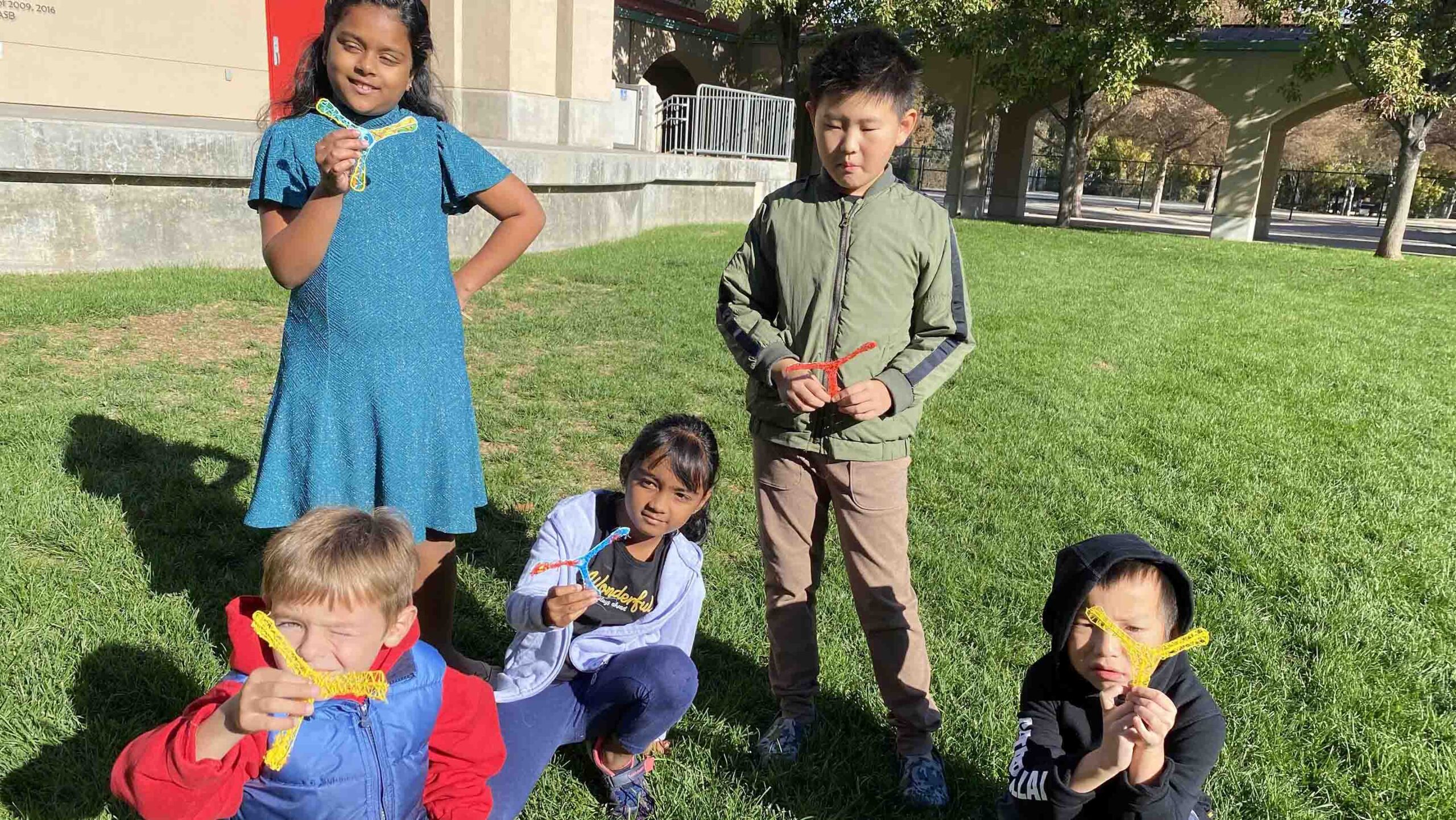
Children today can access almost anything on a screen. They can watch a science experiment in seconds, take a virtual tour of a museum, or see places they may never get the chance to visit. That is a real advantage, because not everyone can travel everywhere, and the quality of photos and videos today makes learning more accessible than ever. Still, as helpful as screens can be, there is no deeper understanding than actually experiencing something when a child has the opportunity to do so.
In my recent video from the Grand Canyon (posted below), I tried to show this in a simple way. Kids can watch clips and look at photos all day, but it is not the same as standing on the edge, feeling the wind on their face, looking out over something that vast, and slowly taking in how old those rocks really are. I made this video to remind parents and educators that there is no substitute for being at a place, and experiencing it.
Here are five ways research suggests that children learn differently when they explore the world around them instead of just scrolling through it.
1. Multi-sensory experiences make learning stick
Arthur Glenberg’s research (1997) suggests that memory is closely tied to action. We remember things better when we physically engage with them. Think about the difference between reading about balance and actually trying to balance on a narrow beam. When children use their hands, move their bodies, and test something themselves, their brains connect the idea to a physical memory. That connection makes the learning stronger and harder to forget.
2. Real environments help children focus
Stephen Kaplan’s work on Attention Restoration Theory (1995) found that natural environments help restore attention and mental energy. Screens are built to keep us clicking, tapping, and switching. Real spaces invite us to slow down. When children explore outside or spend time in a physical setting, they notice details. They stay with one thing longer. Over time, this builds the ability to concentrate, a skill that matters far beyond childhood.
3. Doing something builds real understanding
David Kolb’s Experiential Learning Theory (1984) explains that people learn best when they have a direct experience and then reflect on it. Watching someone cook is helpful. Cooking for yourself teaches more. Planting seeds, fixing something that broke, building a small project, these moments turn abstract ideas into lived experience. When children do something and then think about what happened, the lesson becomes their own.
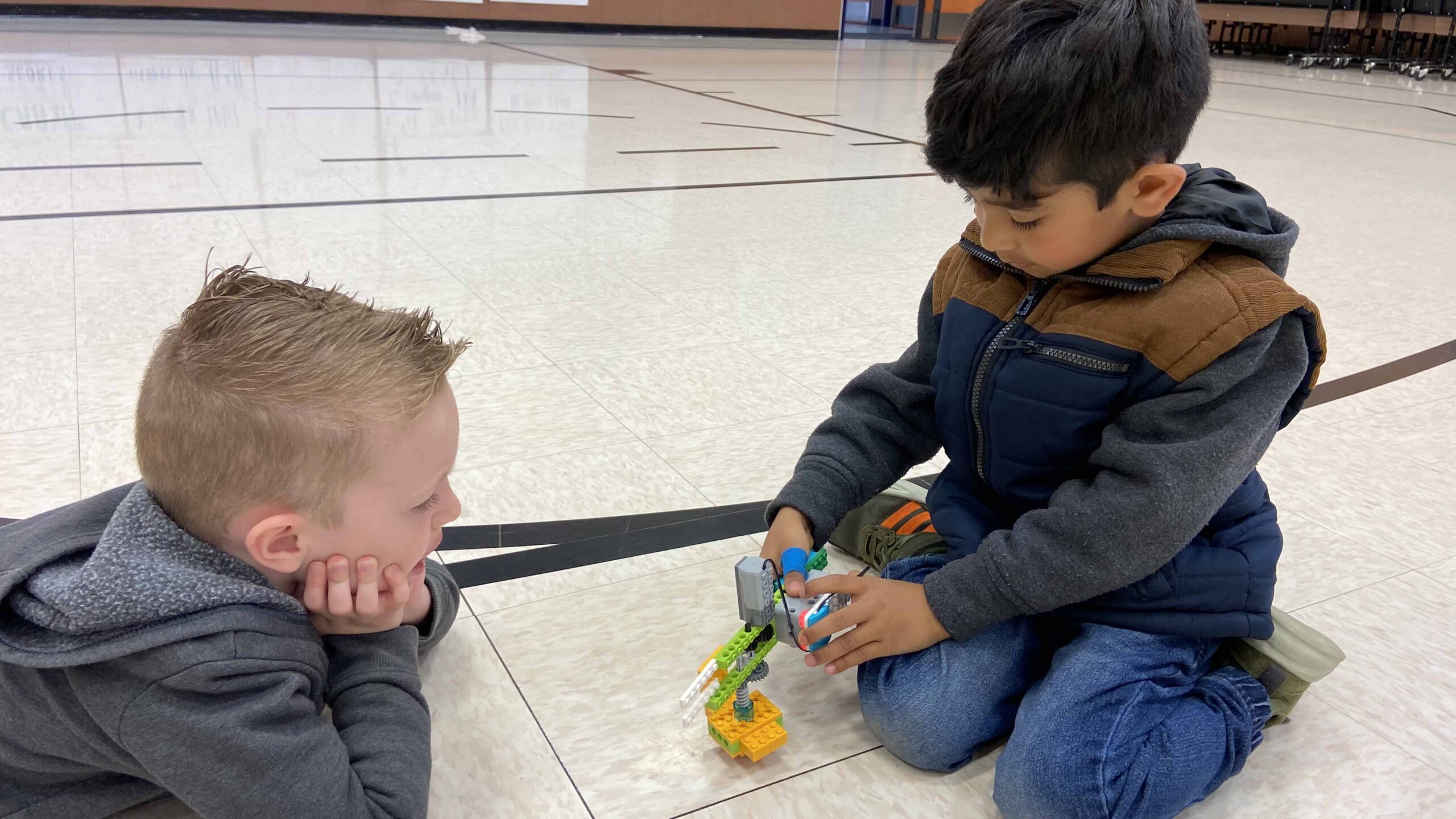
Hands-on Robotics Classes
4. Moving through space strengthens thinking
Research on grounded cognition, including work by Lawrence Barsalou (2008), shows that our thinking is shaped by physical experience. When children judge distance, lift objects, measure materials, or build structures, they develop spatial reasoning. These skills support math, engineering, and everyday problem-solving. A screen can show a picture of a bridge. Walking across one, noticing its height, and feeling its structure engages the brain in a completely different way.
5. Small struggles build resilience
In real life, things do not always work the first time. A recipe does not turn out as expected. A project takes longer than planned. These small frustrations matter. Angela Duckworth’s research on grit (2007) highlights how persistence and effort are linked to long-term success. Real-world experiences naturally include effort and adjustment. Scrolling removes that friction. Exploration teaches children to try again.
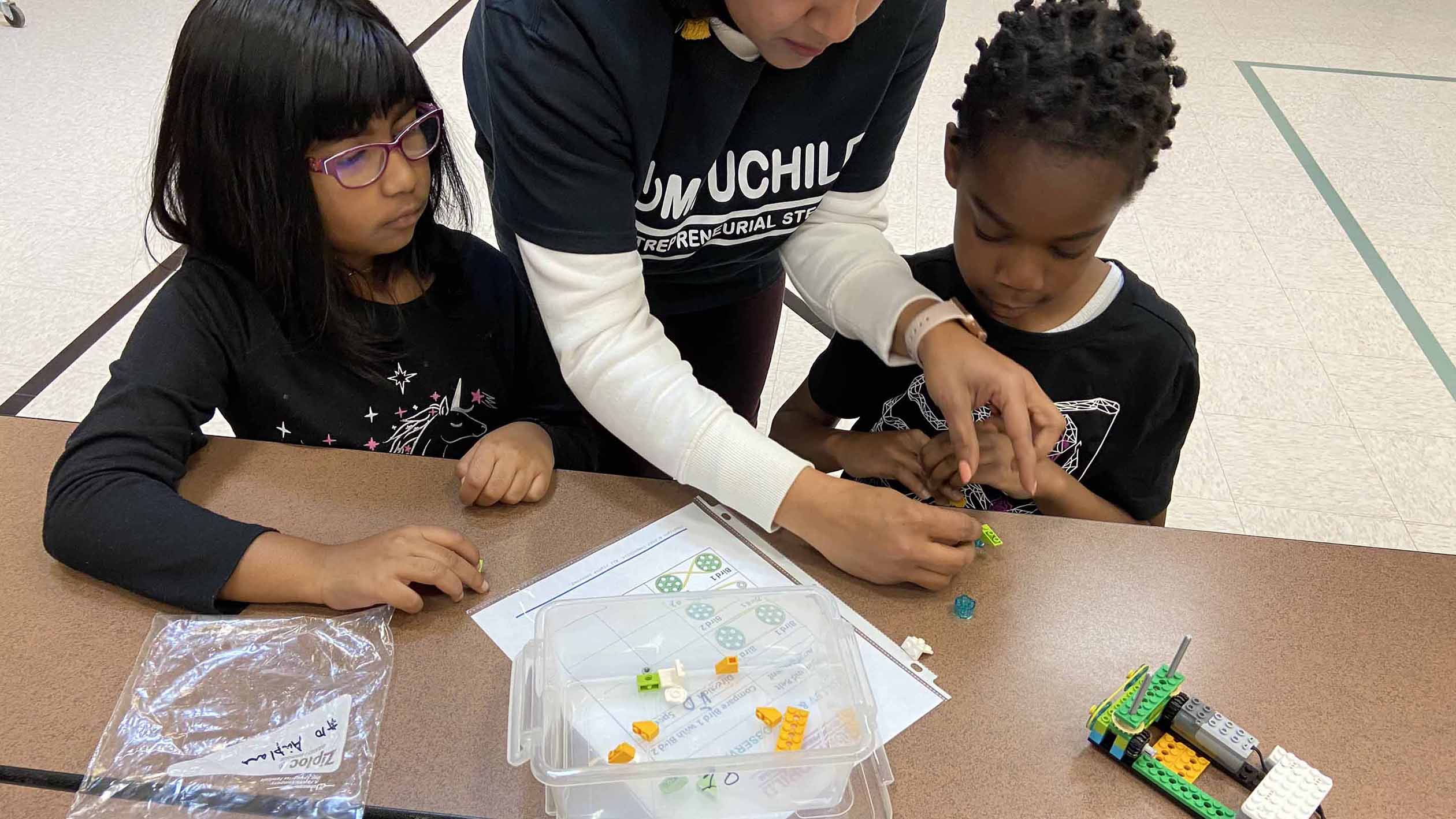
Exploration Creates Those Moments of Struggle That Build Resilience
Technology is definitely an integral part of our lives. But if screens begin to replace real-world experience, children lose something important. They may gain information, but they miss the chance to connect that information to the world around them.
At COMPUCHILD, this is something we think about all the time. Our Entrepreneurial STEAM™ programs are built around hands-on learning. Children build, code, test, adjust, and present their ideas. They work with real materials. They collaborate. They also get the opportunity to work through problems and situations that may not have one clear or perfect answer. The goal is not just to show children new ideas. It is to let them experience those ideas for themselves.
References
Glenberg, A. M. (1997). What memory is for. Behavioral and Brain Sciences, 20(1), 1 to 19. https://doi.org/10.1017/S0140525X97000010
Kaplan, S. (1995). The restorative benefits of nature Toward an integrative framework. Journal of Environmental Psychology, 15(3), 169 to 182. https://doi.org/10.1016/0272-4944(95)90001-2
Kolb, D. A. (1984). Experiential learning Experience as the source of learning and development. Prentice Hall.
Barsalou, L. W. (2008). Grounded cognition. Annual Review of Psychology, 59, 617 to 645. https://doi.org/10.1146/annurev.psych.59.103006.093639
Duckworth, A. L., Peterson, C., Matthews, M. D., & Kelly, D. R. (2007). Grit Perseverance and passion for long-term goals. Journal of Personality and Social Psychology, 92(6), 1087 to 1101. https://doi.org/10.1037/0022-3514.92.6.1087