
Published by COMPUCHILD
A parent picks up their child after an enrichment class and asks the usual question:
“How was it?”
Instead of excitement, the child replies, “Our project didn’t work. We spent the whole time trying to figure out what went wrong.”
For many parents, moments like this can feel disappointing. We naturally want our children to feel successful, confident, and excited about learning.
And to be fair, today’s emphasis on positive learning experiences has many benefits. Encouraging children, celebrating effort, and creating supportive environments can help them stay engaged and motivated. But there is a limitation when success becomes the primary goal. If children rarely experience difficulty, they miss opportunities to develop the resilience that comes from working through challenges.
Recently, a student group in a robotics class spent most of the session troubleshooting a robot that refused to move. The team checked the wires, tested the motor, and examined the gears. Near the end of class, they discovered that one loose gear was causing the problem. When asked about the best part of the experience, the student didn’t say, “When the robot finally worked.” Instead, the student said, “Figuring out why it didn’t.”
That simple moment reveals an important truth about learning: children often gain the most when things do not go according to plan.
1. Struggle teaches children that abilities can grow
Carol Dweck’s research on growth mindset suggests that children develop greater resilience when they believe abilities can improve through effort and practice.
In everyday language, this means children learn that being good at something is not about being naturally talented. It is about continuing to learn.
Imagine a child who struggles with coding during one week of a robotics project. If that child sees mistakes as proof of failure, they may quit. But if they view mistakes as part of learning, they are more likely to keep trying until they understand the problem.
This mindset helps children approach challenges with curiosity rather than fear.
2. Productive challenges create deeper learning
Lev Vygotsky’s theory of the Zone of Proximal Development explains that children learn best when tasks are slightly beyond what they can do independently but still achievable with guidance.
A task that is too easy leads to boredom. A task that is too difficult leads to frustration. Real learning happens in the middle.
For example, when students build a robot that does not work immediately, they must think critically, ask questions, and test their solutions. That process strengthens understanding far more than simply following instructions and getting an instant result.
This is one reason many effective after-school enrichment programs intentionally include open-ended challenges that require persistence.
3. Solving problems builds genuine confidence
Albert Bandura’s work on self-efficacy showed that confidence grows through mastery experiences. In other words, people develop belief in themselves by successfully working through challenges.
Many adults assume confidence comes first and success follows.
Bandura’s research suggests the opposite.
A child who spends twenty minutes troubleshooting a programming error and finally solves it gains something much more valuable than a completed assignment. They gain evidence that they can handle difficult situations.
The next challenge feels less intimidating because they have already experienced success after struggle.
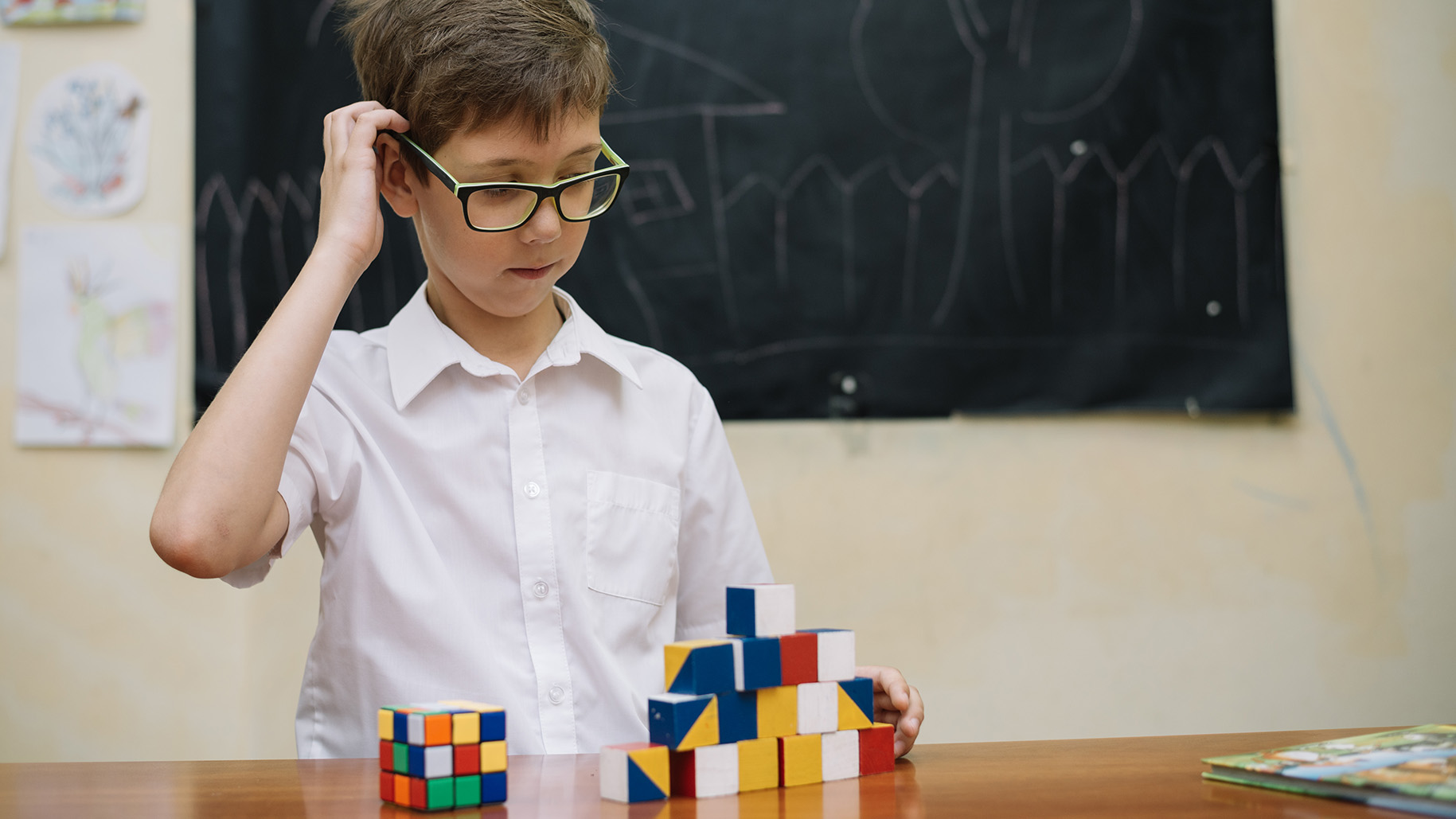
Confidence grows when children solve hard problems
4. Persistence becomes a habit through practice
Angela Duckworth’s research on grit highlights the importance of perseverance when pursuing long-term goals.
Children do not become persistent because adults tell them to be persistent. They become persistent by repeatedly facing obstacles and learning that effort matters.
Think about a student working on a complex robotics engineering project. The first design may fail. The second may fail too. But each attempt provides new information.
Over time, children begin to understand that setbacks are not signs to stop. They are signals to adjust and try again.
This lesson often extends far beyond academics into sports, friendships, and future careers.
5. Hands-on experiences make resilience visible
Educational psychologist David Kolb emphasized experiential learning, the idea that people learn best through direct experience followed by reflection.
When children work with real materials, real problems, and real consequences, they can see the connection between effort and results.
For example, students participating in computer science programs for kids often encounter bugs that prevent their projects from working correctly. The debugging process teaches them to investigate, test ideas, and refine solutions.
Similarly, STEM programs for kids often present challenges without immediate answers. Children learn to think, adapt, and improve rather than memorize information.
These experiences help transform resilience from an abstract concept into a practical skill.
The important thing to remember is that struggle itself is not the goal. Meaningful struggle is.
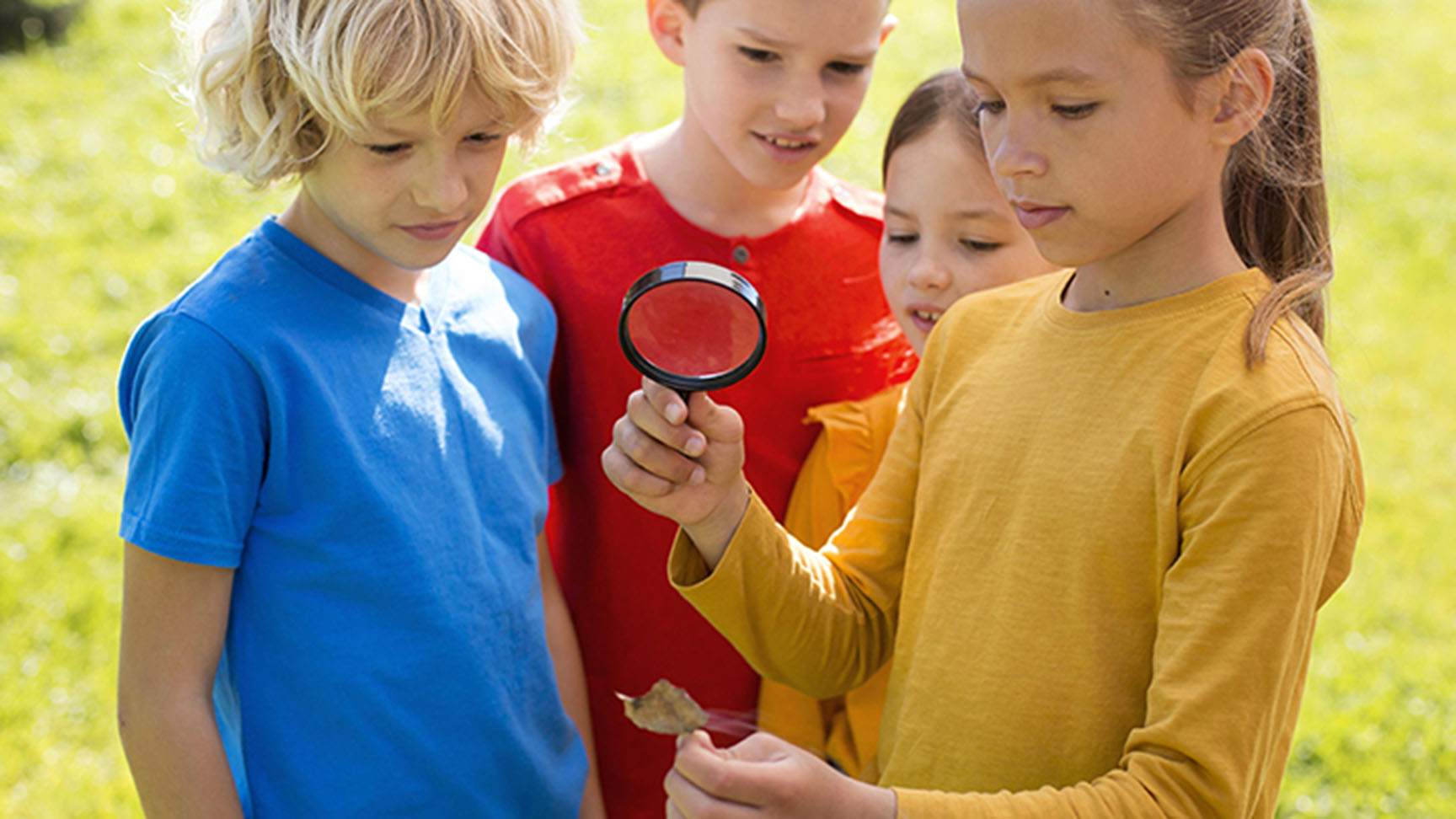
Resilience becomes real when children learn by doing
Children need support, encouragement, and guidance. But they also need opportunities to encounter challenges that stretch their abilities. When adults step in too quickly, we may unintentionally remove the very experiences that help children develop resilience.
At COMPUCHILD, we often see this firsthand. Whether families are exploring educational opportunities for their children or educators are looking at trends shaping the future of education, one principle remains consistent: meaningful learning happens when children actively engage with challenges rather than avoid them. This same philosophy is reflected across COMPUCHILD’s various programs that prioritize problem-solving, discovery, and collaboration.
As children grow, they will face increasingly complex situations both inside and outside the classroom. The goal is not to make every path smooth. The goal is to help them develop confidence, adaptability, and perseverance to navigate obstacles successfully.
When a child learns to investigate a problem, persist through frustration, and discover a solution, they are building far more than academic knowledge.
They are building resilience.
And that may be one of the most valuable lessons that education can provide.
Small moments of productive struggle, especially through hands-on and experiential learning opportunities, often become the foundation for lifelong confidence and growth.
References
Bandura, Albert. Self-Efficacy: The Exercise of Control. W. H. Freeman, 1997.
Duckworth, Angela. Grit: The Power of Passion and Perseverance. Scribner, 2016.
Dweck, Carol S. Mindset: The New Psychology of Success. Random House, 2006.
Kolb, David A. Experiential Learning: Experience as the Source of Learning and Development. Prentice-Hall, 1984.
Vygotsky, Lev S. Mind in Society: The Development of Higher Psychological Processes. Harvard University Press, 1978.
We recently explored this idea in a short video about how to raise kids who can handle hard things. Watch the video here.