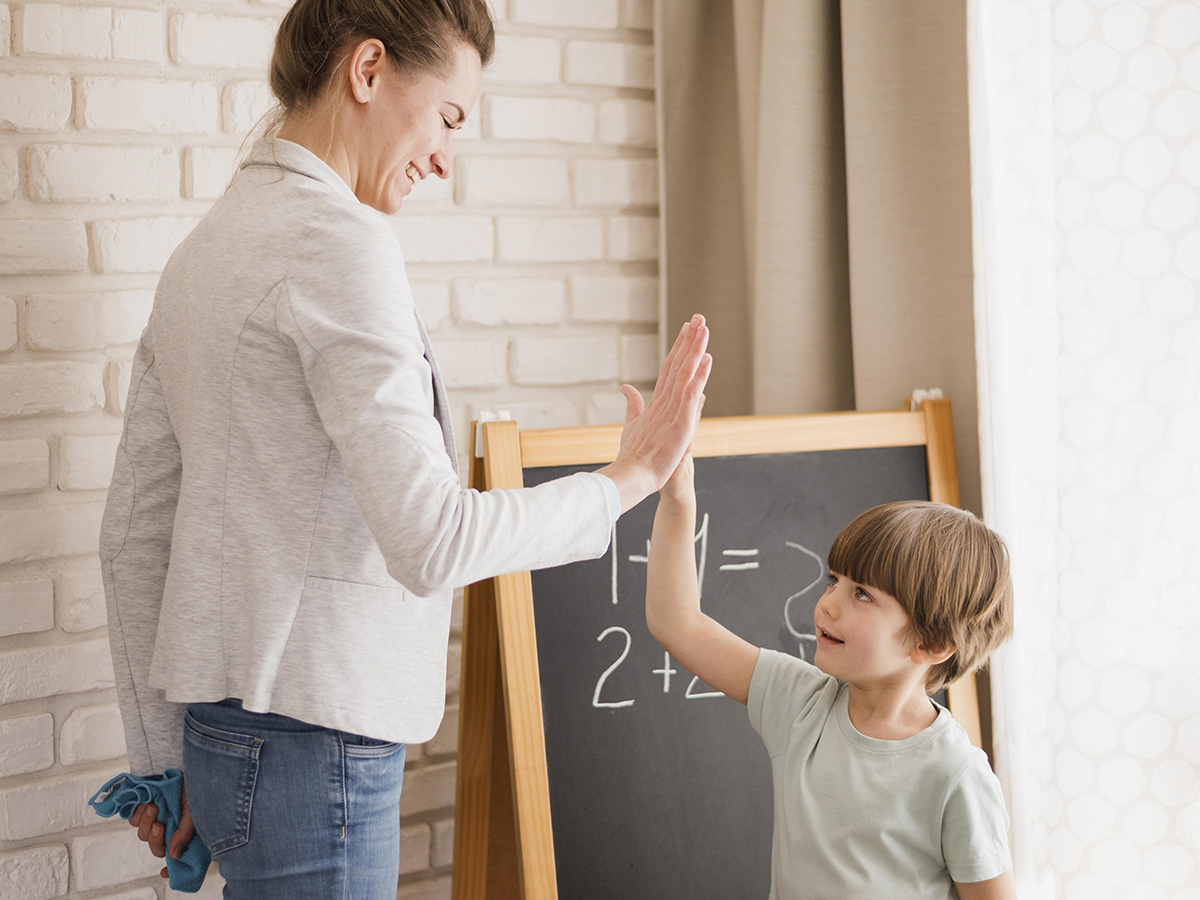
Published by COMPUCHILD
If you’ve ever watched your child spend 30 minutes happily scrolling through videos but struggle to stay focused for 15 minutes of homework, you’re not alone. Many parents wonder why kids lose interest in learning, even when they are naturally curious. The difference often isn’t ability. It’s anticipation.
Technology has brought incredible opportunities for children to explore, discover, and connect with the world. Educational apps, videos, and interactive games can spark curiosity in ways that weren’t possible only a generation ago. But many digital experiences are carefully designed to make children constantly wonder, “What’s coming next?” Traditional learning doesn’t always create that same feeling, making it harder for children to stay engaged.
Imagine a child reading a chapter in their science textbook about the solar system. Halfway through the page, they begin looking around the room. Moments later, they’re reaching for a phone. Then a parent asks, “If you could visit any planet, which one would you choose, and what would you need to survive there?” Suddenly, the child starts imagining possibilities, asking questions, and eagerly reading on to find answers. The lesson hasn’t changed, but now there’s something they’re excited to discover.
Here are five ways to get your child excited about learning and education.
1. Create anticipation before the lesson begins
Psychologist George Loewenstein’s research on curiosity explains that people become motivated when they sense there is something interesting they don’t yet know. Curiosity grows when children feel they are about to discover an answer rather than simply receive information.
Instead of saying, “Today we’re learning fractions,” try asking, “Do you think it’s possible to cut a pizza so everyone gets the exact same amount?” That simple question gives children a reason to pay attention because they want to know the answer.
Small moments of anticipation can make a big difference in getting children excited about learning.
2. Give children meaningful challenges they can complete
Psychologist Mihaly Csikszentmihalyi’s work on Flow shows that people become deeply engaged when a challenge matches their skill level. If something is too easy, they become bored. If it’s too difficult, they become frustrated.
Rather than asking your child to finish an entire workbook, challenge them to complete five questions before a timer ends or see if they can beat yesterday’s score. Every completed challenge creates a sense of progress.
Children often enjoy building momentum one small success at a time.
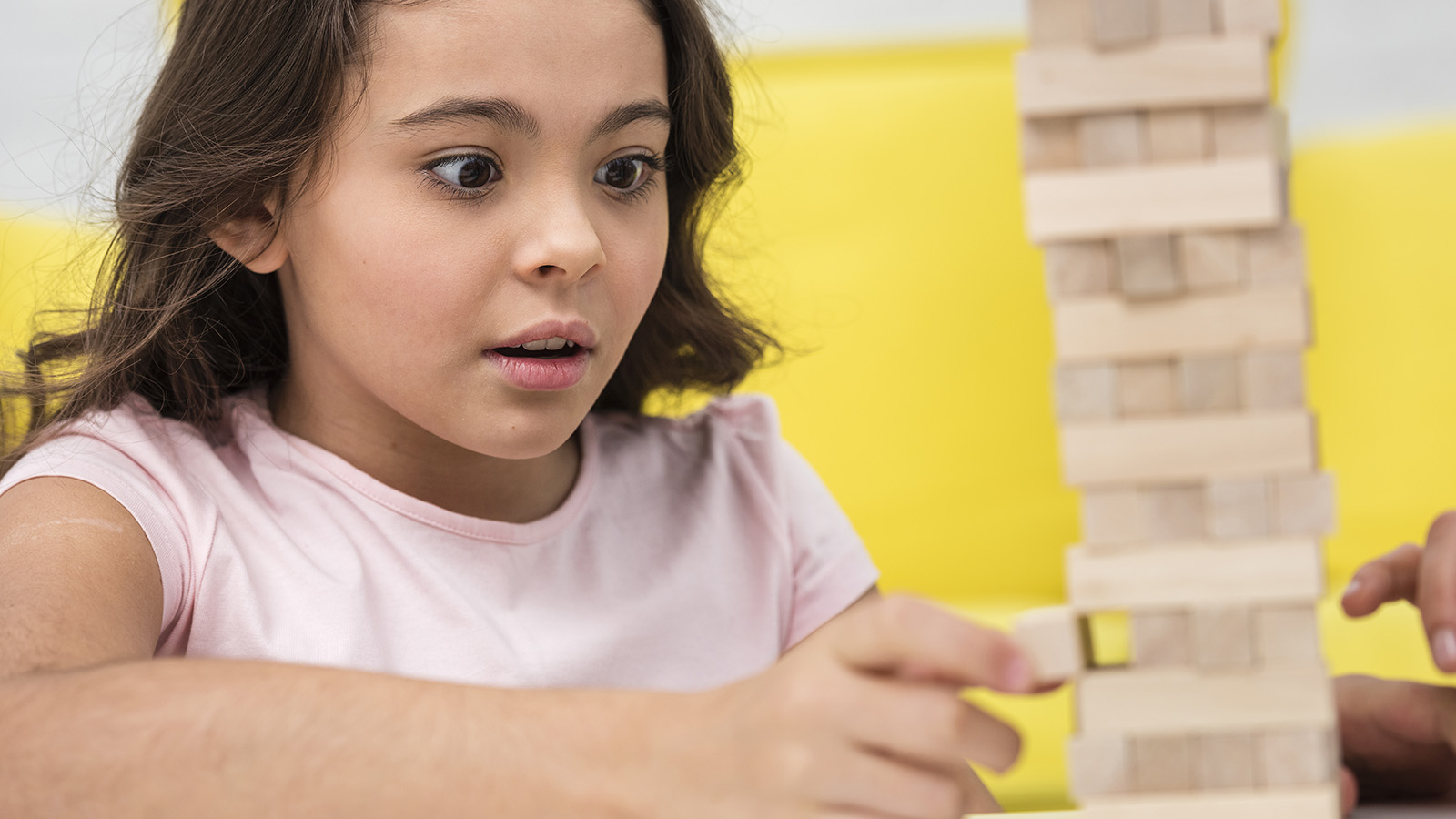
Completing a challenge builds a real sense of progress
3. Help children imagine using what they learn
Educational researcher Arthur Glenberg’s work suggests that learning becomes more meaningful when knowledge connects to actions and real experiences. Children remember concepts better when they can picture themselves using them.
If your child is learning about measurement, ask them how an architect might use those skills to design a playground. If they’re learning coding, ask what kind of game they would create for their friends.
These conversations help children see learning as preparation for real life rather than just another assignment. This is one reason many STEM programs for kids emphasize solving authentic problems instead of simply memorizing information.
4. Help children build confidence through small wins
Psychologist Albert Bandura’s research on self-efficacy suggests that children become more motivated when they believe they are capable of succeeding. That confidence doesn’t usually come from praise alone. It grows through repeated experiences of overcoming challenges and seeing their own progress.
Instead of asking your child to master an entire topic at once, help them accomplish one meaningful step. Successfully reading their first chapter book on their own, finally understanding a multiplication concept that felt confusing, or finishing a small science experiment all become evidence that they can handle the next challenge.
Imagine your child saying, “I couldn’t do this yesterday, but I can today.” That growing belief in their own ability becomes one of the strongest motivators for lifelong learning because every success makes the next challenge feel possible.
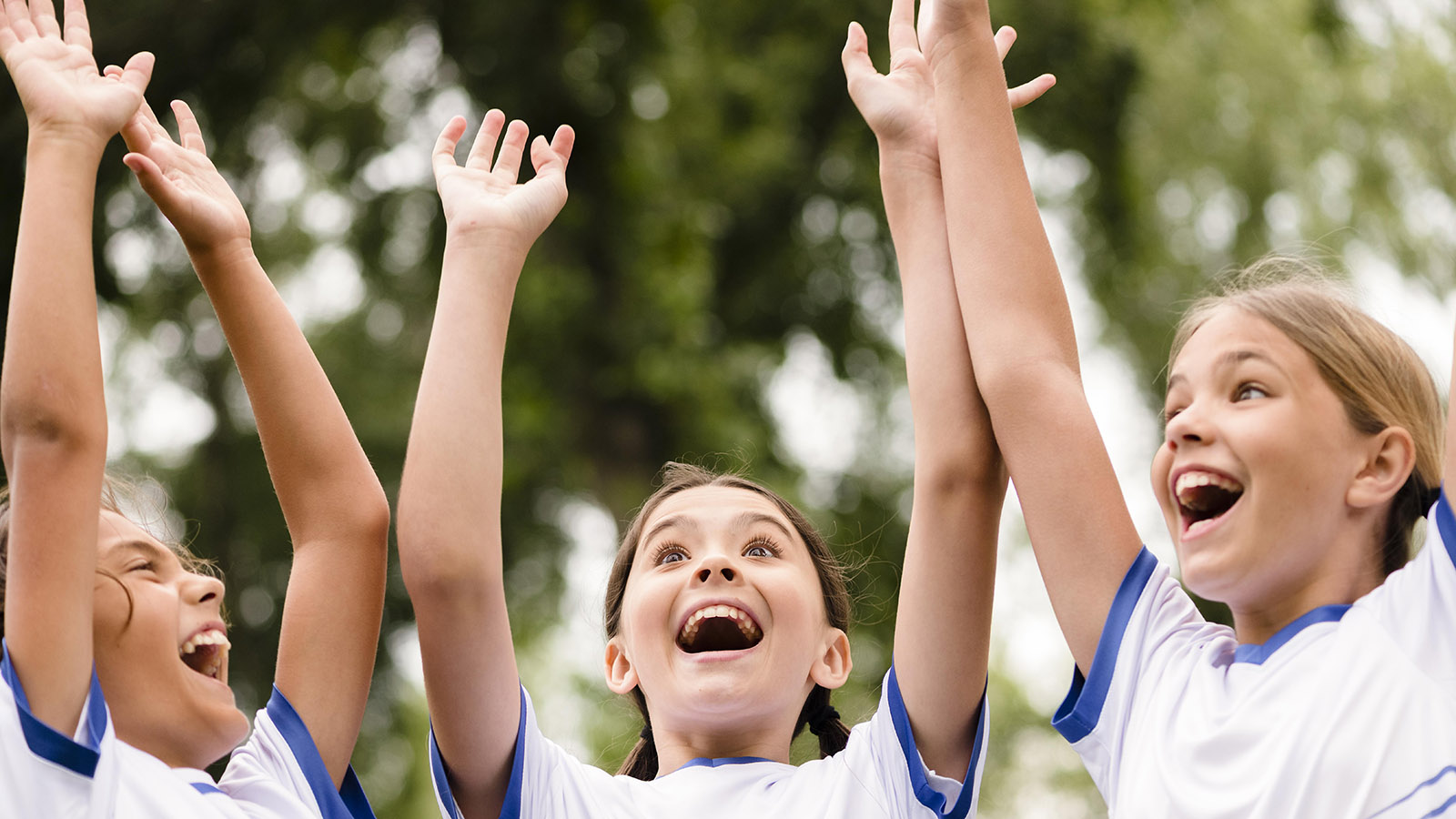
Confidence fuels a lifelong love of learning
5. Turn learning into something social and playful
Research from psychologist Lev Vygotsky emphasized that children learn especially well through interaction with others. Discussion, collaboration, and play help ideas become memorable.
A simple family quiz game after dinner, a friendly spelling competition, or asking siblings to solve a challenge together often creates far more engagement than studying alone.
Many after-school enrichment programs, STEAM and STEM programs for kids, and technology classes for kids successfully use teamwork, games, and collaborative problem solving because children naturally enjoy learning when it feels shared rather than isolated.
The common thread across all five strategies is simple: children stay engaged when learning gives them something to look forward to. Whether it’s solving a mystery, reaching a goal, imagining the future, celebrating progress, or sharing an experience with others, anticipation transforms learning from something children have to do into something they want to continue.
CompuChild’s Experiences and Thoughts
At COMPUCHILD, we see this happen every day. We’ve observed children becoming excited about “what comes next” by asking questions that encourage them to imagine how they will use the knowledge they are learning in the future. They eagerly share their own ideas and unique perspectives because learning becomes personal. We also see the satisfaction children experience after completing meaningful challenges, whether it’s designing a bridge that successfully supports weight or solving a programming problem through persistence. Even review activities become exciting when they are presented as games, allowing students to demonstrate what they have learned while enjoying a little friendly competition. These experiences continue to reinforce our belief that children learn best when curiosity, challenge, and enjoyment work together.
As educators, we believe every child is naturally capable of loving learning. That excitement doesn’t come from making every lesson entertaining. It comes from helping children discover purpose, experience progress, and feel the satisfaction of overcoming meaningful challenges. When learning becomes something they look forward to rather than something they simply finish, education becomes a lifelong habit instead of a daily task.
Sometimes, the most powerful education happens when children can build, create, experiment, and explore with their own hands. Those experiences often leave lasting memories that continue inspiring curiosity long after the lesson is over.
References
Bandura, Albert. Self-Efficacy: The Exercise of Control. W. H. Freeman, 1997.
Csikszentmihalyi, Mihaly. Flow: The Psychology of Optimal Experience. Harper & Row, 1990.
Glenberg, Arthur M. “What Memory Is For.” Behavioral and Brain Sciences, vol. 20, no. 1, 1997, pp. 1–55.
Loewenstein, George. “The Psychology of Curiosity: A Review and Reinterpretation.” Psychological Bulletin, vol. 116, no. 1, 1994, pp. 75–98.
Vygotsky, Lev S. Mind in Society: The Development of Higher Psychological Processes. Harvard University Press, 1978.
We recently explored this idea in a short video. Watch the video here.