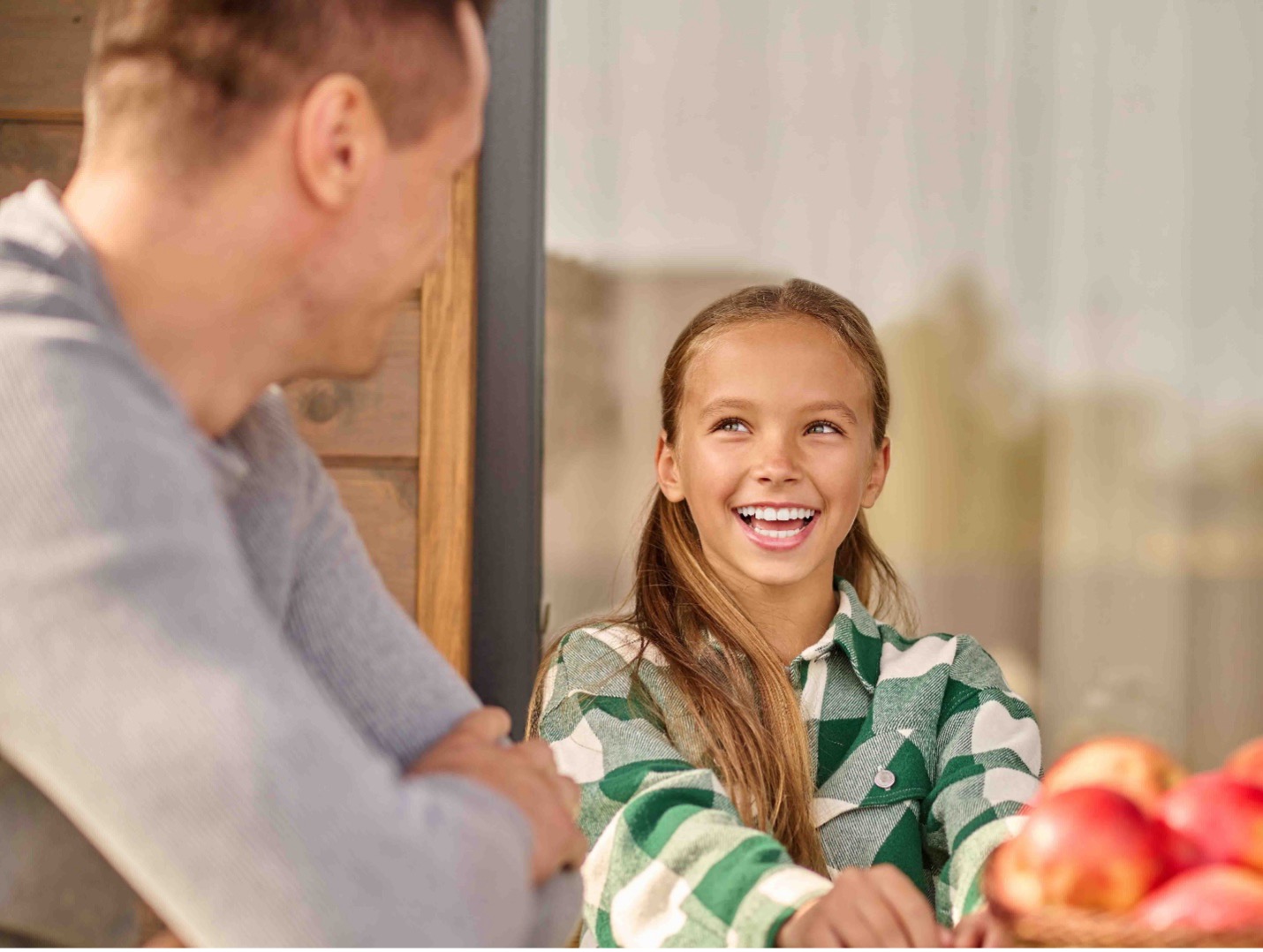
It’s a familiar moment in many homes. You ask your child, “How was your day?” and get a one-word answer: “Fine.” For parents and educators, this can feel frustrating—especially when you genuinely want to understand what your child is thinking, feeling, and learning.
In recent years, there’s been a growing emphasis on encouraging children to “open up” through conversation. This is a positive shift. Talking builds emotional awareness, strengthens relationships, and supports children’s education in meaningful ways. But here’s the limitation: simply asking questions or encouraging dialogue isn’t always enough to create real communication.
A parent once shared how their child would go silent during dinner conversations but would suddenly start talking while building a robotic model together. The difference wasn’t the question—it was the context.
Here are five ways research shows we can truly open communication with children:
1. Shared Activity Creates Natural Conversation
Psychologist Lev Vygotsky emphasized that children learn and communicate best through social interaction, especially during shared activities.
In everyday terms, kids don’t always open up through direct questioning—but they do while doing something together. When their hands are busy, their minds feel less pressured.
For example, a child who resists talking after school might start sharing details while drawing, coding, or participating in STEM programs for kids. The activity lowers the emotional barrier, making conversation feel natural rather than forced.
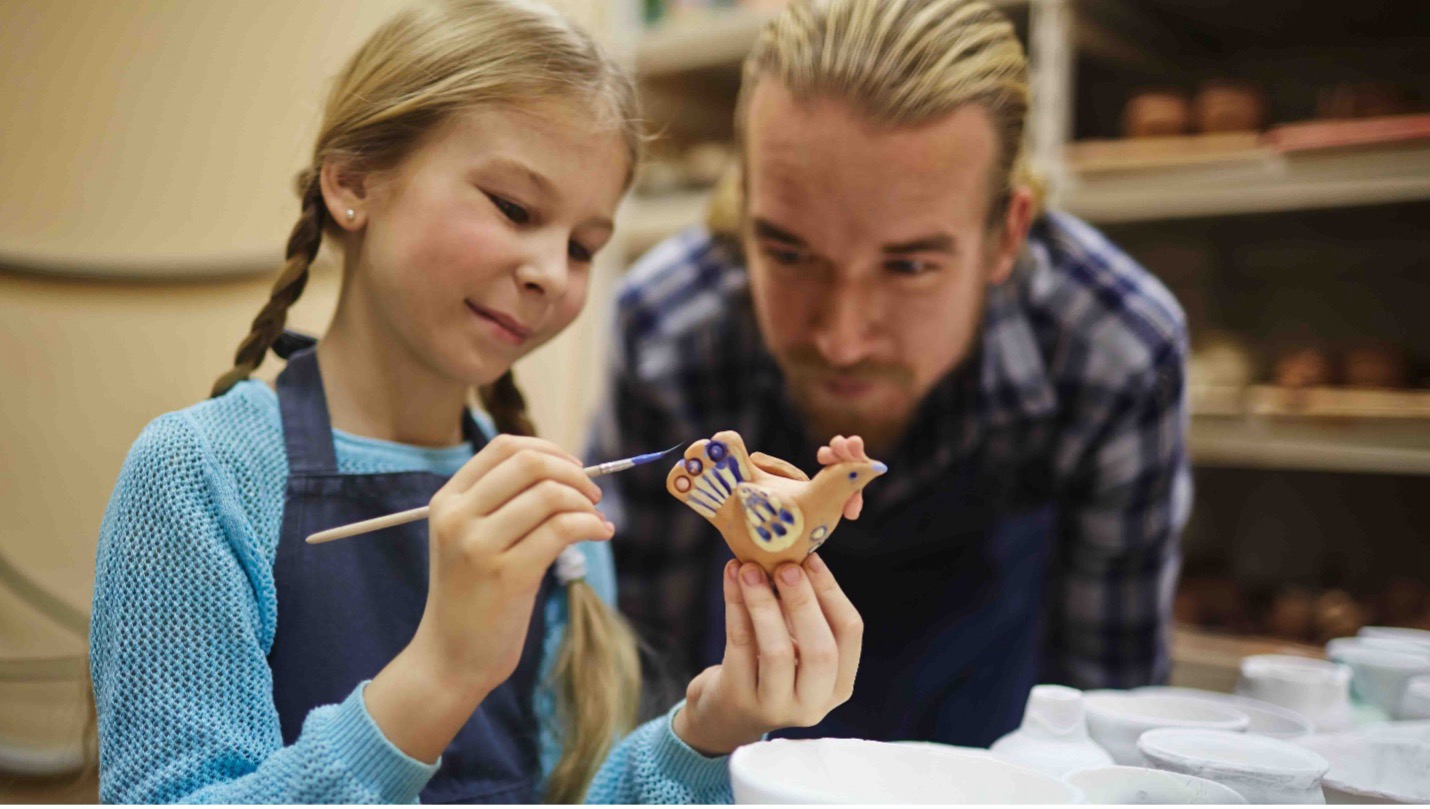
Instructor-led Hands-on Classes
2. Emotional Safety Drives Expression
Attachment researcher John Bowlby’s work shows that children communicate more openly when they feel emotionally secure.
This means children are more likely to talk when they know they won’t be judged, corrected immediately, or dismissed.
Imagine a child saying, “I didn’t like my group project.” Instead of responding with advice right away, a simple “What made it hard?” invites deeper sharing. Over time, this builds trust—and communication follows.
3. Movement and Hands-On Learning Boost Verbal Engagement
Research by Arthur Glenberg suggests that physical activity and embodied experiences help cognitive processing, including language.
In simple terms, when kids move, build, or experiment, their brains are more active—and communication flows more easily.
This is why children often talk more during after-school enrichment programs that involve building robots, solving problems, or participating in STEAM classes for kids. Physical engagement unlocks verbal expression.
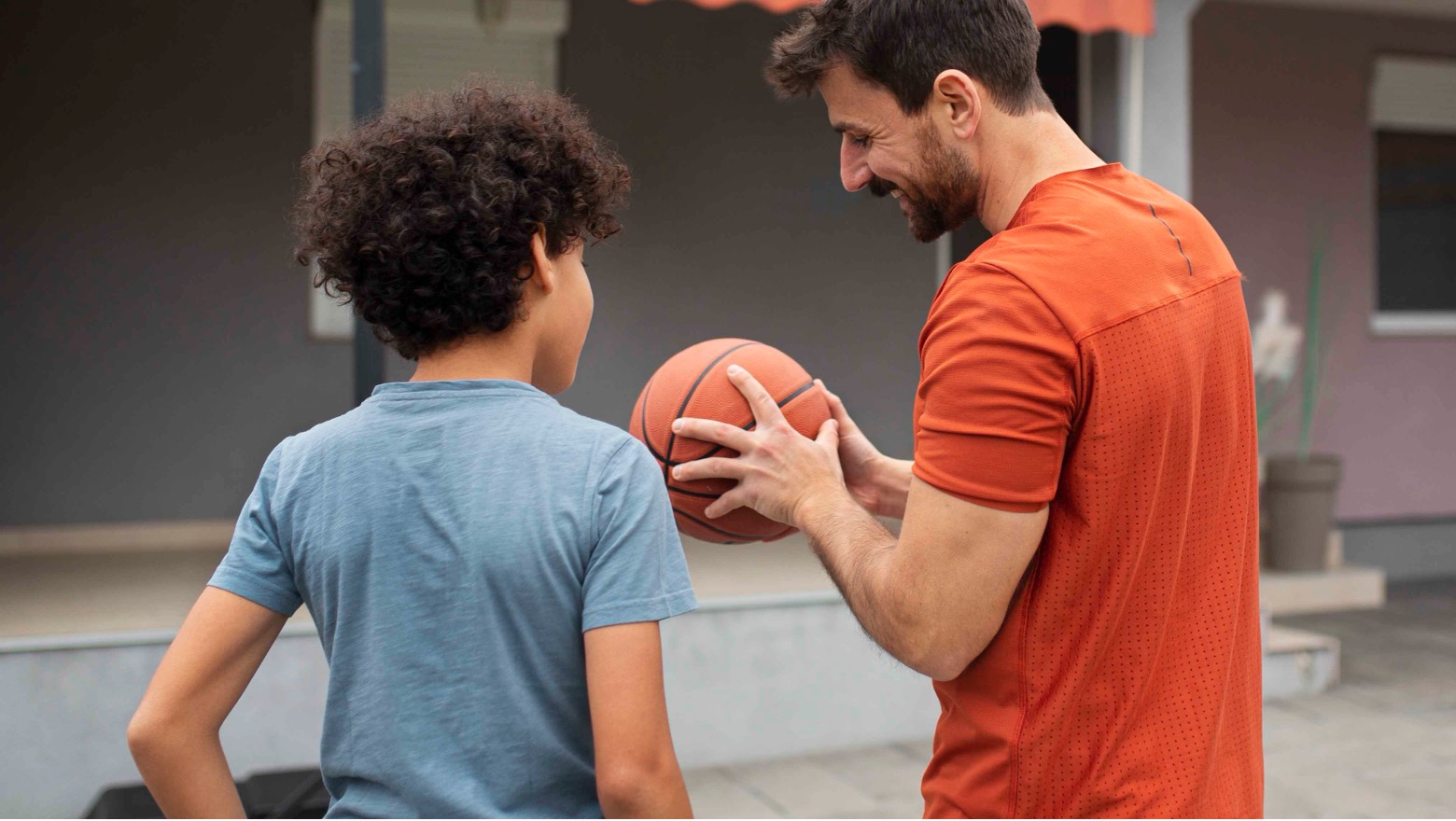
Physical engagement makes communication flow more easily
4. Curiosity Opens Doors More Than Questions
Educational psychologist Jerome Bruner highlighted that curiosity is a powerful driver of learning and communication.
Instead of asking direct questions like “What did you learn today?”, try sparking curiosity: “I saw something interesting about space today—did you learn anything like that?”
This subtle shift invites participation instead of putting children on the spot. It’s especially effective in environments like computer science programs for kids, where curiosity naturally fuels both learning and conversation.
5. Consistency Builds Communication Habits
Developmental psychologist Urie Bronfenbrenner emphasized that consistent environments shape child development.
Communication isn’t built in one deep conversation—it’s built in small, repeated moments.
For instance, a weekly routine where a child attends STEM programs for children or participates in collaborative learning creates predictable opportunities for interaction. Over time, children begin to associate these environments with expression and connection.
When you look at these insights together, a clear pattern emerges: communication isn’t something we extract from children—it’s something we create the conditions for.
Children develop communication skills not just through talking, but through trust, shared experiences, curiosity, and consistent engagement.
In the long run, strong communication shapes more than conversations. It influences confidence, problem-solving, emotional intelligence, and a child’s overall relationship with learning. It also helps answer a common concern many parents have: why kids lose interest in learning. Often, it’s not the subject—it’s the lack of meaningful connection to it.
Thoughtfully designed, hands-on learning environments—especially those that blend collaboration, creativity, and exploration—naturally support this kind of communication. When children are engaged in meaningful experiences, conversation stops being something we ask for and starts becoming something they offer.
References
Bowlby, John. Attachment and Loss: Vol. 1. Attachment. Basic Books, 1969.
Bronfenbrenner, Urie. The Ecology of Human Development: Experiments by Nature and Design. Harvard University Press, 1979.
Bruner, Jerome S. The Process of Education. Harvard University Press, 1960.
Glenberg, Arthur M. “What Memory Is For.” Behavioral and Brain Sciences, Cambridge University Press, 1997.
Vygotsky, Lev S. Mind in Society: The Development of Higher Psychological Processes. Harvard University Press, 1978.